In today’s fast-paced digital world, businesses can’t rely on organic reach alone. While SEO, social media, and content marketing are powerful tools, they often take time to show results. If you’re looking for instant visibility and measurable growth, PPC Advertising (Pay-Per-Click Ads) is the game-changer you need.
Whether you’re a small business owner, an e-commerce entrepreneur, or a digital marketer, understanding PPC can help you drive traffic, generate leads, and maximize sales. Let’s dive deep into what PPC is, why it matters, and how you can use it effectively.
What is PPC Advertising?
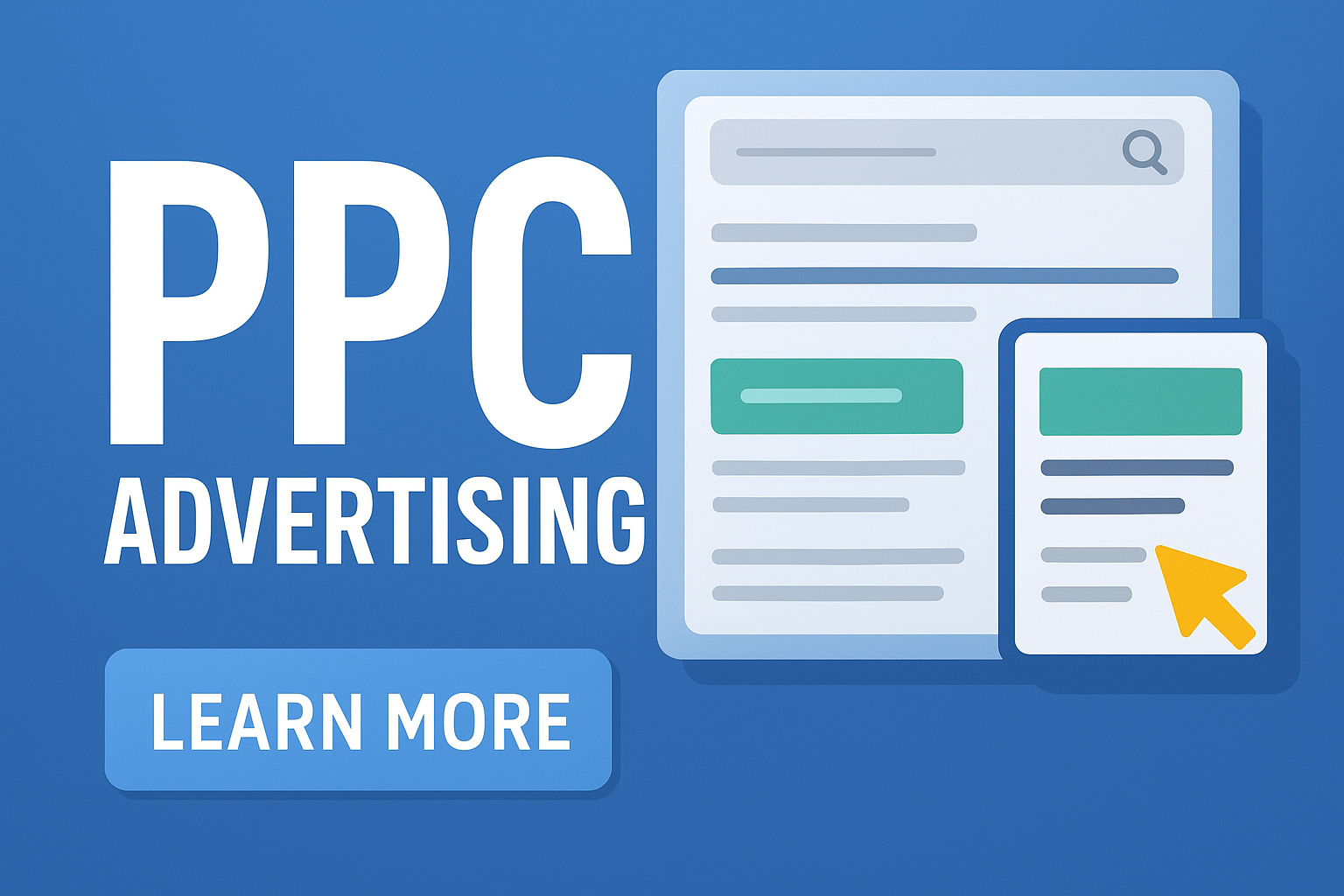
PPC (Pay-Per-Click) is an online advertising model where advertisers pay a fee each time a user clicks on their ad. Instead of earning visits organically, businesses buy visits to their website.
The most common platforms for PPC are:
- Google Ads (Search, Display, Shopping, YouTube)
- Bing Ads
- Meta Ads (Facebook & Instagram)
- LinkedIn Ads
- Twitter (X) Ads
For example, when you search “best running shoes” on Google, you’ll often see sponsored ads at the top of the results. Those are PPC ads.
Why is PPC Important for Businesses?
Unlike traditional advertising, PPC is data-driven and performance-based. You only pay when someone interacts with your ad.
Here are some benefits:
- Instant Results – While SEO may take months, PPC ads put you at the top of search results immediately.
- Highly Targeted Audience – You can target based on demographics, keywords, location, device, and even user behavior.
- Measurable ROI – Every click, impression, and conversion can be tracked in real-time.
- Budget Control – You decide how much to spend per day or campaign.
- Brand Visibility – Even if users don’t click, your brand gains visibility at the top of the page.
Types of PPC Ads
To make the most of PPC, it’s important to know the different types of campaigns available:
- Search Ads
- Text ads shown on search engines like Google or Bing.
- Best for: Businesses targeting active searchers.
- Display Ads
- Banner ads that appear across websites and apps.
- Best for: Brand awareness and retargeting.
- Shopping Ads
- Product-based ads with images, price, and details.
- Best for: E-commerce stores.
- Video Ads
- Ads that play on YouTube or other video platforms.
- Best for: Engagement and storytelling.
- Social Media Ads
- Ads on Facebook, Instagram, LinkedIn, or TikTok.
- Best for: Targeting specific demographics and interests.
How PPC Works – Step by Step
- Keyword Research – Find relevant keywords your audience is searching for.
- Ad Creation – Write compelling ad copy with strong headlines and CTAs.
- Bidding – Set a maximum amount you’re willing to pay per click.
- Ad Auction – Search engines decide which ads to display based on bid and quality score.
- User Clicks – If someone clicks, you pay the bid amount and the user visits your site.
- Conversion Tracking – Measure actions like sales, sign-ups, or downloads.
Best Practices for a Successful PPC Campaign
✅ Use Long-Tail Keywords – More specific, less competition, higher intent.
✅ Optimize Landing Pages – Make sure your landing page is fast, mobile-friendly, and relevant.
✅ A/B Test Ads – Experiment with different headlines, descriptions, and visuals.
✅ Set Negative Keywords – Avoid showing ads for irrelevant searches.
✅ Track & Analyze – Use Google Analytics and ad reports to improve ROI.
✅ Retargeting – Show ads to users who visited your site but didn’t convert.
Common Mistakes to Avoid
❌ Targeting too broad an audience
❌ Not setting a clear budget
❌ Ignoring mobile users
❌ Poor ad copy with weak CTAs
❌ Not testing multiple ads
Final Thoughts
PPC advertising is one of the fastest ways to drive targeted traffic and sales. But remember, it’s not just about spending money—it’s about spending it wisely. With the right strategy, compelling ad copy, and continuous optimization, PPC can deliver an incredible ROI for businesses of all sizes.
If you’re new to PPC, start small, monitor results, and scale gradually. And if you already run campaigns, keep testing and refining. In the ever-evolving digital world, the brands that adapt and optimize will win.
About the Author